
SSL Origin Console Review: 5 Things I Learned After 4 Years
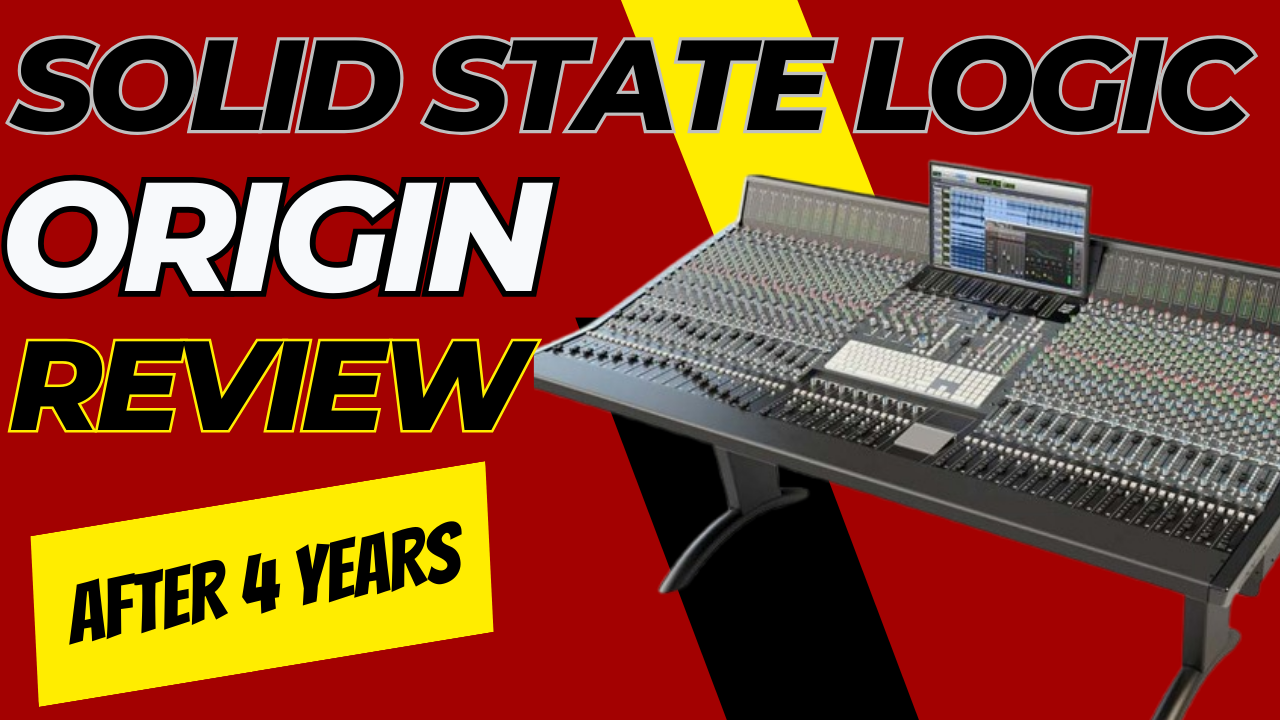
What's Included in This SSL Origin 4-Year Review?
You'll get the real purchase price, the financing terms, the maintenance record, and the honest analog-versus-digital verdict from four years of running an SSL Origin console in a real home studio.
This is the third update in an ongoing series. David posted his first thoughts at 6 months and again at 2 years, and this is the 4-year checkpoint several readers specifically asked for. Nothing here is sponsored.
You don't need to own a console, or be shopping for one, to get something out of this. The financing math, the reliability track record, and the analog-versus-digital verdict apply just as much if you're mixing entirely in the box and wondering whether analog gear is worth the jump.
This breakdown comes from David's SSL Origin 32 Console | Review After 4 Years of Use session on his Mixing Music Analog channel. If you want the earlier checkpoints, the 6-month review and 2-year review are both linked in Useful Links below.
Watch the full video for the complete walkthrough, or grab the free mixing course if a console is a long way off and you want to build up your mixes with what's already in your DAW.
Table of Contents
- 1. The Purchase and Financing Decision
- 2. The Tactile Workflow Payoff
- 3. Four Years, Zero Maintenance Issues
- 4. Busting the Common Myths
- 5. Is Analog Really Better? The Honest Verdict
- What Worked, and What to Watch For
- Frequently Asked Questions About the SSL Origin
- Quick Recap
1. The Purchase and Financing Decision
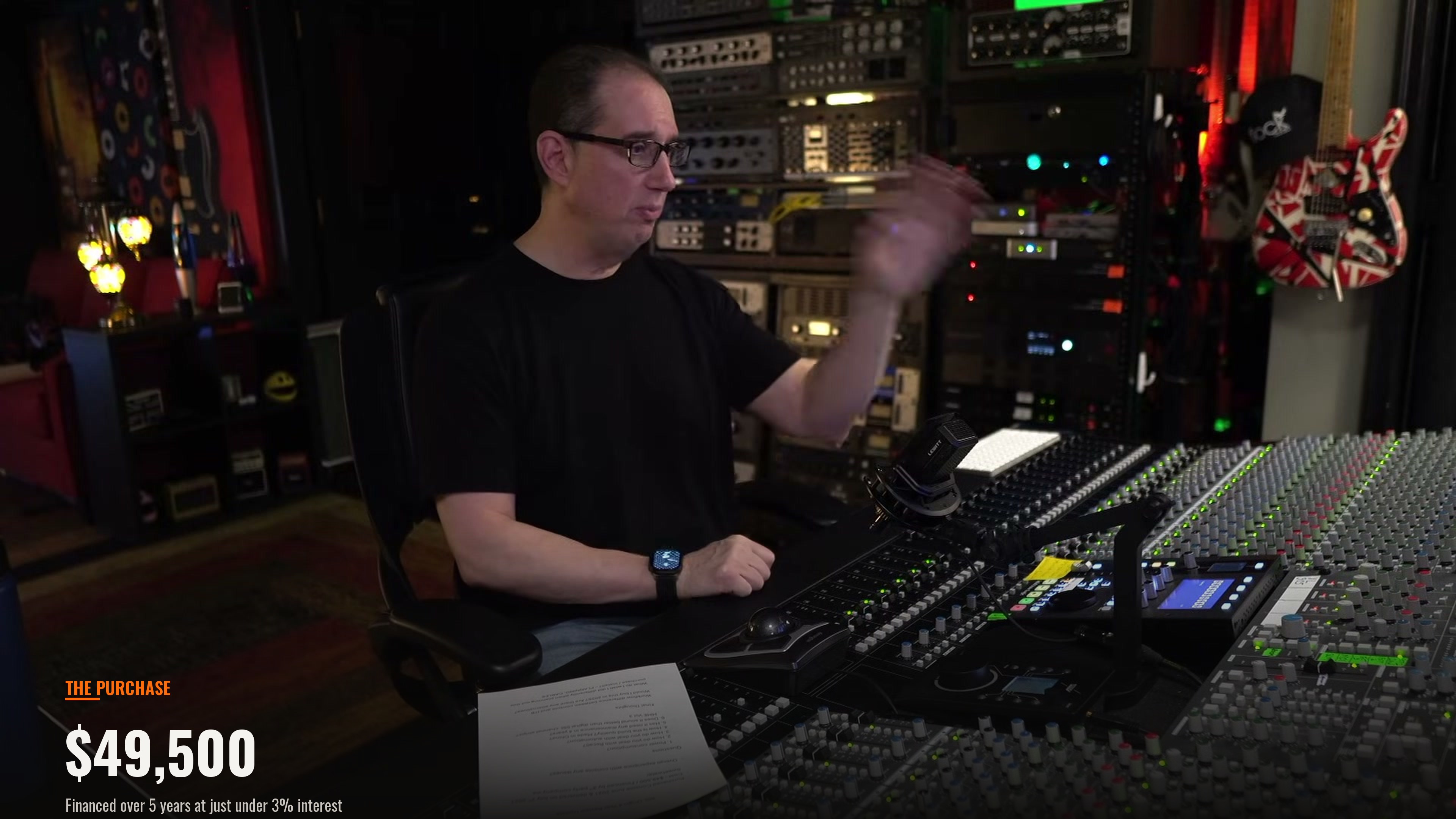
David bought the SSL Origin in June 2021, with delivery landing on July 7, 2021. The purchase price was $49,500 from Sweetwater. The same console runs closer to $55,000 to $59,000 today.
Rather than paying cash, he financed it through a third-party lender that Sweetwater partners with for pro audio gear, structured like a car or mortgage payment spread over five years at an initial rate just under 3%. Looking back, he'd pay cash if he could do it again.
"If given a choice again, I'd pay for it in cash to avoid the extra expenditure."
The original thinking was that financing would help build a credit record for future business loans. In hindsight, sparing the extra interest cost looks like the better call, especially with rates higher today than when he signed.
Try This In Your Own Mix
Before financing a console or any five-figure piece of gear, run the full five-year cost with interest included, not just the sticker price, and compare it against paying cash even if that means waiting longer to buy.
If a five-figure console is nowhere near your budget right now, the free mixing course covers getting professional-sounding results with just the plugins already in your DAW.
2. The Tactile Workflow Payoff
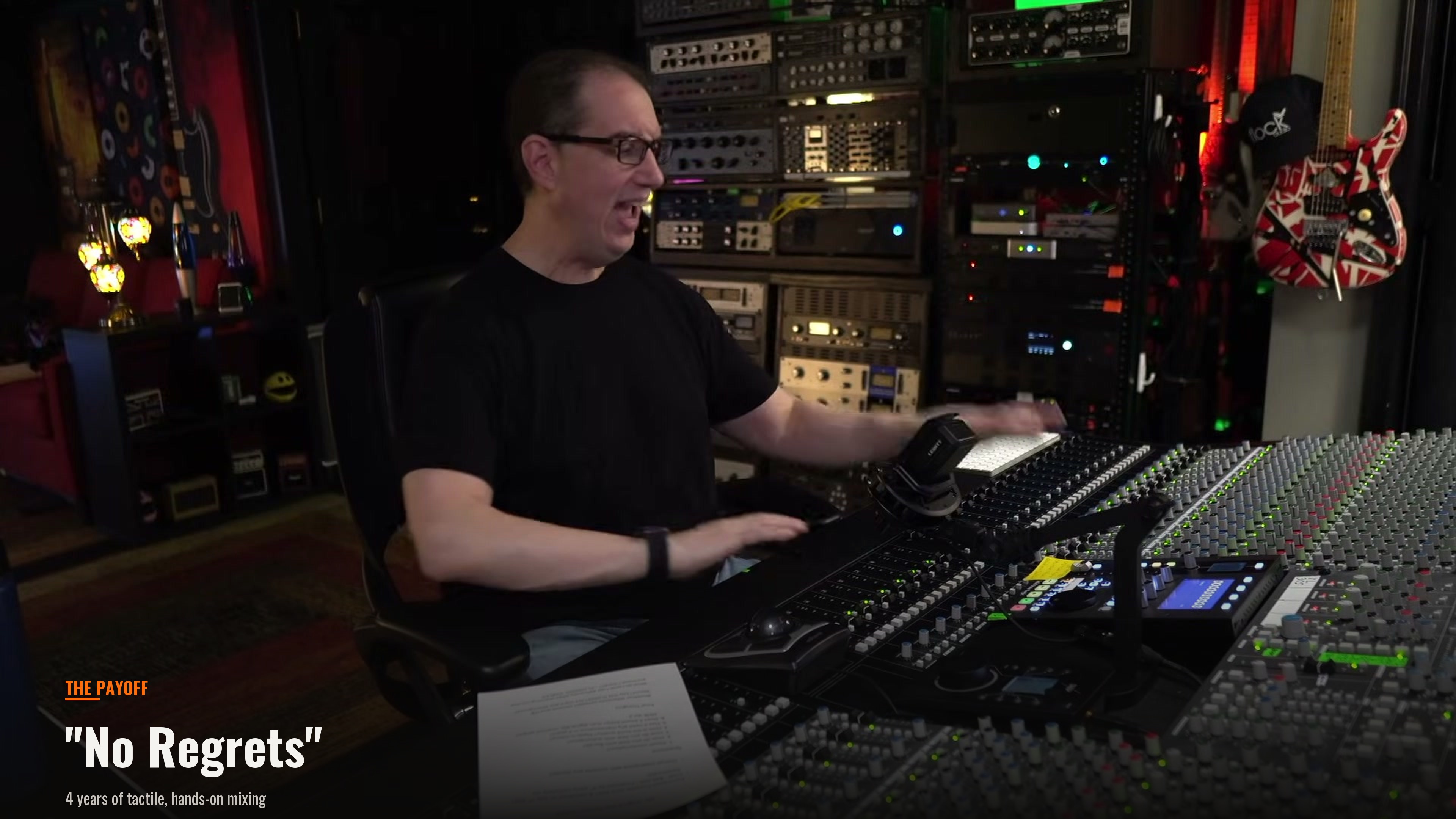
The purchase was never really about chasing better sound than digital. David grew up in studios and missed the feel of an old Sony console from the early '90s, the hands-on interaction that a mouse and screen can't replicate.
Four years later, that tactile workflow is still what he points to first. Mixing sessions on the Origin feel more inspiring and more fun than working entirely in the box, and the console has become a fixture in how he works rather than a novelty that wore off.
"The more I work with it, the more I love working in this format. And I have absolutely no regrets whatsoever purchasing this console."
Try This In Your Own Mix
If you've never mixed on hardware, try riding a fader or turning a real EQ knob on any small mixer or controller you have access to before deciding tactile control isn't for you. The workflow difference is easier to feel than to explain.
3. Four Years, Zero Maintenance Issues
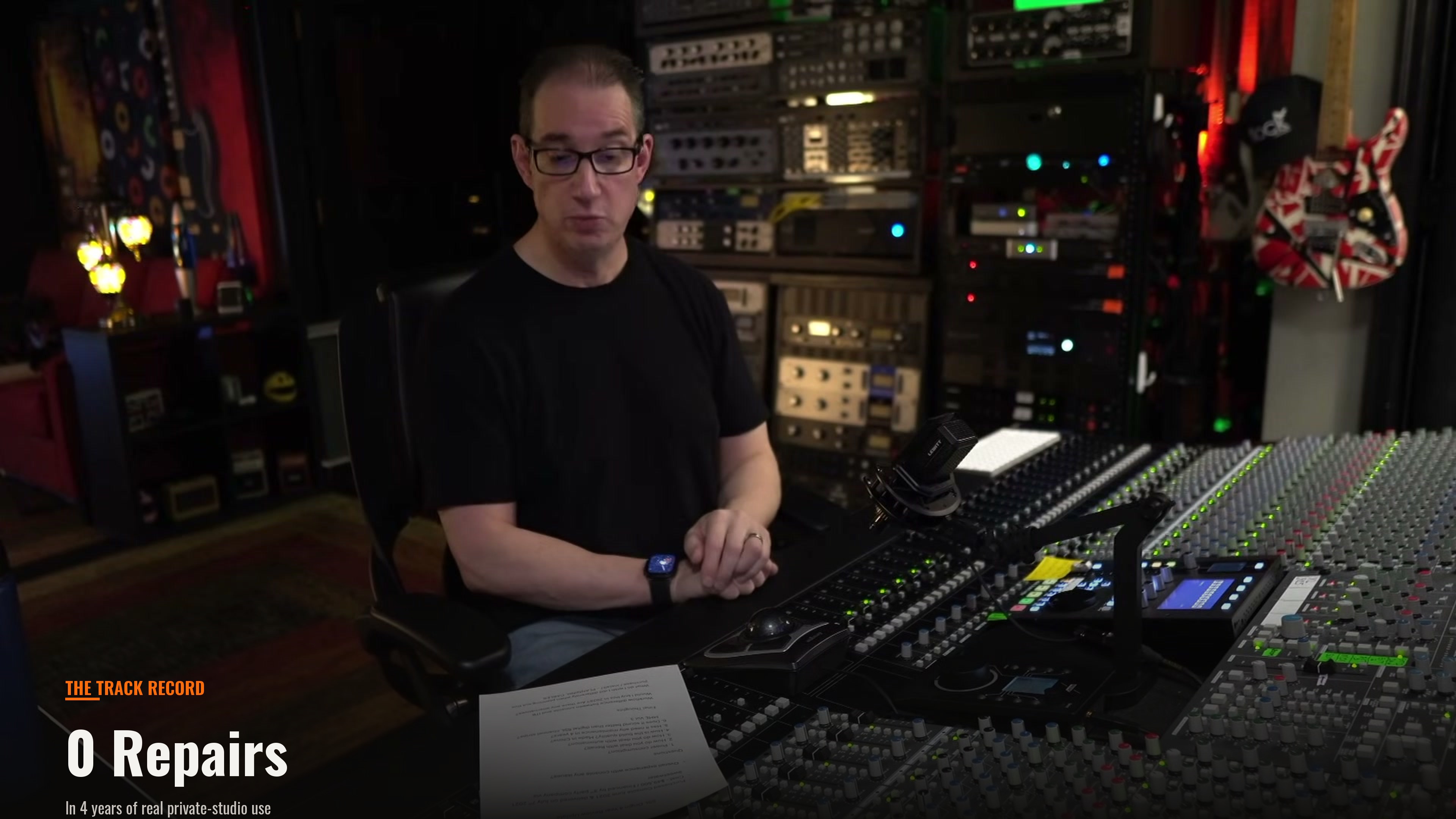
This is the number people ask about most: after four years of real use in a private studio, more than a casual hobby but not running at commercial-studio pace, the console has needed zero maintenance. One apparent button malfunction turned out to be an issue with his automation system, not the console itself.
Part of that comes down to the Origin's design. Compared to older, more maintenance-heavy consoles like SSL's vintage E and G series, the Origin uses a modular build with fewer moving parts. In conversations with SSL, David was told to expect 20 to 25 years of service life with minimal fuss.
Try This In Your Own Mix
Before ruling out a piece of gear over reliability worries, ask the manufacturer directly about expected service life and what's actually failed on other units in the field. A modular, fewer-moving-parts design is a real signal worth weighing, not marketing language.
4. Busting the Common Myths
A few concerns come up constantly in comments and emails, and after four years David has real answers instead of guesses.
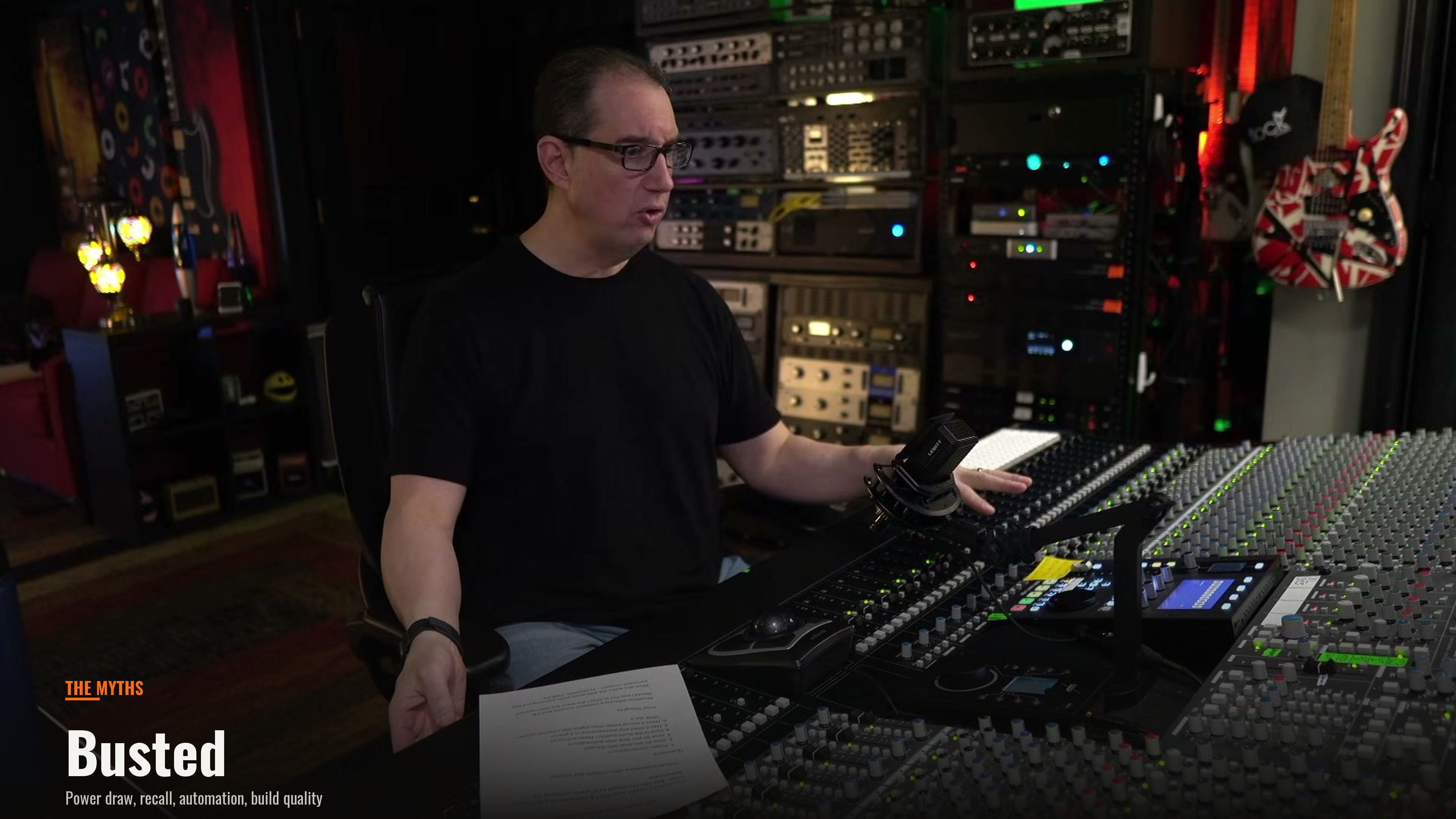
Power consumption is not the console-as-space-heater story some expect. The running cost is closer to a standard desktop computer than anything that shows up on the electric bill.
Recall has no flying faders, but it's manageable: a few reference photographs plus his Flock Audio Patchbay handle most of the setup work. Automation runs through Wes Audio NG Levelers for post-processing, not as elegant as built-in flying faders, but a workable stand-in for anyone without them.
On the made-in-China question, David's experience has been that build quality holds up. SSL sources parts there to keep the console's price reasonable without cutting corners on quality.
Try This In Your Own Mix
If recall without flying faders worries you, build a simple photo-reference habit now on whatever hardware you already own, a phone camera and a consistent naming system solves most of what flying faders would automate.
If you're curious whether that tactile workflow is worth building toward before you ever touch a console like this, Mixing Made Easy Vol 3 walks the same mix through both an analog and a digital signal path so you can hear the difference yourself.
5. Is Analog Really Better? The Honest Verdict
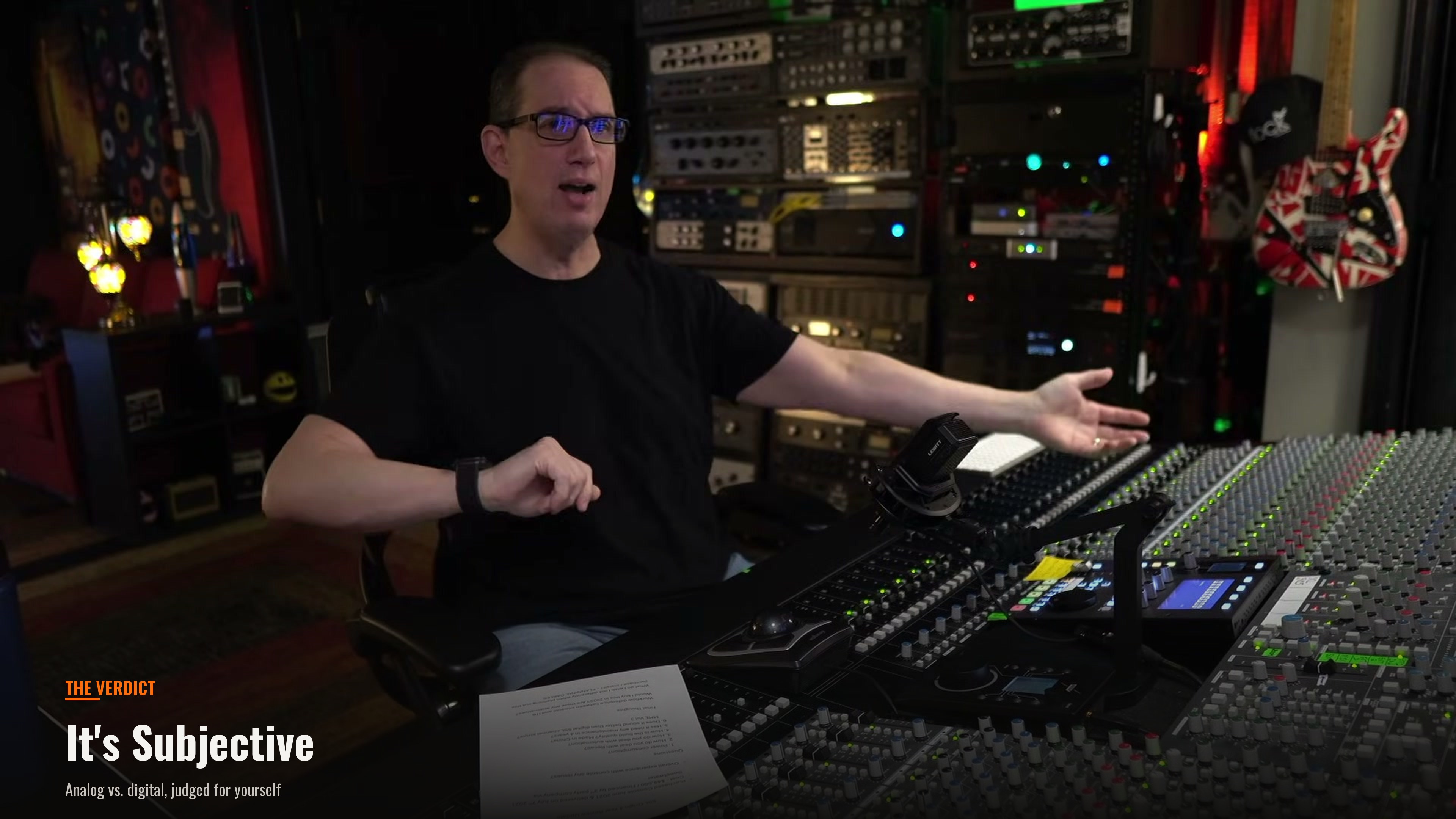
The analog-versus-digital debate never really settles, and David isn't trying to settle it here either. His honest take is that the sound and the experience are genuinely different from plugins, but "better" is subjective. It comes down to which one gets you the sound you're actually after.
Rather than just asserting a winner, he built a course around the question. Mixing Made Easy Volume Three: Analog vs. Digital mixes identical tracks through both setups so listeners can compare for themselves instead of taking his word for it.
Try This In Your Own Mix
Mix the same short section of a song twice, once with your usual digital tools and once leaning entirely on hardware or analog-modeled plugins if that's all you have access to, then A/B them a day later with fresh ears before deciding which one you actually prefer.
What Worked, and What to Watch For
Four years is long enough to separate a honeymoon phase from a real verdict. Here's the balanced read on where the Origin has delivered and where a buyer should go in with open eyes.
What Worked
- Zero maintenance issues in four years of real, private-studio use.
- The tactile workflow still feels inspiring rather than novel four years in.
- A modular build and SSL's own 20 to 25 year service estimate back up the reliability so far.
- Recall without flying faders is manageable with photos and a patchbay, not the dealbreaker it sounds like.
What to Watch For
- The all-in cost with financing interest is significantly higher than the $49,500 sticker price, run the real five-year number before committing.
- No flying faders means recall takes real manual effort compared to a digital session that recalls itself.
- This is one owner's experience in one studio. It's not a guarantee every unit holds up the same way under heavier, commercial-studio duty cycles.
Frequently Asked Questions About the SSL Origin
1) Is the SSL Origin console reliable after years of use?
Yes, in David's experience. After four years of regular use in a private studio, the console has needed zero maintenance. Its modular design with fewer moving parts than older SSL consoles, and an SSL-stated service life of 20 to 25 years, both support that track record.
2) Does the SSL Origin console use a lot of power?
No. The running cost is comparable to a standard desktop computer rather than a major addition to an electric bill, despite it being a large analog console.
3) How do you handle recall on the SSL Origin without flying faders?
Reference photographs of the console settings plus a Flock Audio Patchbay cover most of the recall process. It takes more manual effort than a digital session that recalls itself instantly, but it's a manageable workflow.
4) How is automation handled without built-in flying faders?
David uses Wes Audio NG Levelers to handle post-processing automation. It's not as seamless as built-in flying faders, but it's a solid alternative for anyone working on a console without them.
5) Is the SSL Origin's build quality good even though parts are made in China?
Yes, based on David's four years of hands-on use. SSL sources parts there to keep the console's price reasonable, and in his experience that hasn't come at the cost of build quality.
6) Is analog really better sounding than digital or plugins?
It's subjective. The sound and experience genuinely differ from plugins, but neither is objectively better, it depends on the sound you're going for. Mixing Made Easy Vol 3 compares identical tracks mixed through both an analog and a digital signal path if you want to judge for yourself.
Quick Recap
Here's the full 4-year verdict in order:
- $49,500 purchase price, financed over 5 years, would pay cash if doing it again.
- The tactile workflow is still the real payoff, four years in with no regrets.
- Zero maintenance issues, backed by a modular build and a 20 to 25 year expected lifespan.
- Power draw, recall, automation, and build quality concerns are all manageable in practice.
- Analog isn't objectively better than digital, it's a different sound worth judging for yourself.
Final Thoughts
Four years and roughly $50,000 in, David still recommends the SSL Origin to anyone seriously considering analog. At its price point, the preamps, EQ, and routing make a hard package to rival, whether you go with the 32-channel version or the newer 16-channel option. It's a big purchase and it isn't for everyone, but for the workflow it delivers, it's held up exactly as promised.
Ready to Mix Like This Yourself?
Use code ME25OFF for 25% off any single-title course (bundles excluded).
Useful Links
- SSL Origin 32 Console | Review After 4 Years of Use (full video)
- SSL Origin 2-year review
- SSL Origin 6-month review
- Mixing Made Easy Vol 3: Analog vs. Digital
- SSL Bus+ Review: Is It Worth It?
- 7 Underrated SSL Native Plugins Worth Using in 2026
This reflects one engineer's real purchase and four years of personal use. Your mileage, budget, and studio needs may call for a different decision, this is one data point, not a universal recommendation.

