
Mix Preparation: 5 Things I Do Before Mixing Any Song

By David Vignola | Home Recording Made Easy
Before I start choosing EQs, compressors, or other mixing plugins, I get the session ready. I organize and clean up the tracks, listen to a reference, build a basic balance, write down a direction, and then give myself a break before the creative work.
In my coaching, I've worked with students who approach every project differently. Their mixes take longer, and they struggle to get consistent results. A repeatable mix preparation routine gives you a familiar starting point, whether you're mixing your own music or working with files from another artist.
Here are the five things I do before mixing any song, and how you can use them in your home studio.
Watch the full video: 5 Things I Do BEFORE Mixing ANY Song!
1 Prepare and organize the session
Session prep starts with making the DAW easy to navigate. I color-code instrument groups the same way, use consistent track names, and put tracks in a familiar order from project to project. When I move through the mixer, I want to know where everything is.
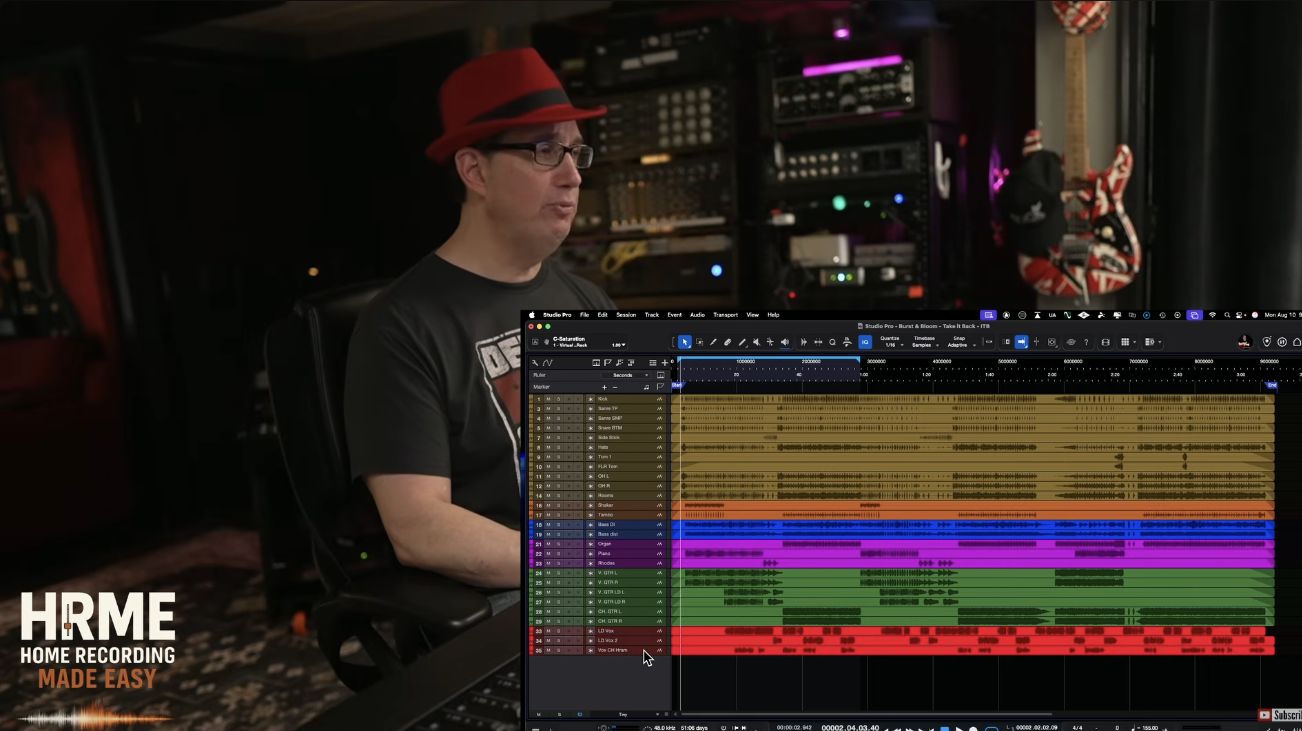
Then I take care of the editing. That can include unwanted noise between guitar parts, vocal breaths that need attention, and bleed between tom hits. I work through fades, crossfades, tuning, and whatever else the recording needs before I start making creative mix decisions.
I also organize the routing. If I have several snare microphones, I may send them to one snare group. A bass DI and a distorted bass track might go to a shared group, too. I set up the effects routing I expect to need so it's available later, even if I don't end up using all of it.
A template can get this started, but I still adapt it to the song. Consistency helps me work quickly; the actual tracks determine what needs cleaning, grouping, or fixing. My mix workflow guide looks at the wider process, including mix prep and setup.
If I'm using drum samples, choosing them belongs in this preparation stage as well. I don't want to stop halfway through a mix and spend an hour auditioning snare samples. I can decide how much of a chosen sample to blend in when I'm mixing.
Want help with the fundamentals? My free mixing course shows you how to work with the stock plugins that came with your DAW.

2 Listen to a reference track
Once the session is ready, I listen to a reference to understand the direction of the mix. If I'm working for an artist, that might be their rough demo, a producer's mix, or a commercial release they like. I'll ask what they enjoy about its sound.
Listen for broad characteristics you can describe. How far forward is the lead vocal? How loud are the kick and snare? How do the kick and bass work together, and which one is more dominant? Where are the guitars panned? Is the overall sound bright, heavy in the low end, or focused in the midrange?
Effects tell you something about the artist's expectations, too. If they love a vocal with plenty of reverb and delay, a completely dry vocal may miss the sound they're asking for.
The reference gives me a direction without taking away my judgment. A loud snare may be part of the sound the artist likes, but I still have to decide how that balance works in this particular song. Trying to match a reference closely can be a useful ear-training exercise. For an actual project, I want to understand its useful characteristics and leave room for the song's own identity.
3 Build a basic static mix
A static mix is a starting balance made with the faders and pan controls. At this point I'm listening to the raw tracks without mix processing. I bring the instruments into a workable balance and make simple panning choices, such as placing the drum overheads left and right.
During session prep, I've mostly been checking individual parts and listening for problems. Now I hear the whole song from beginning to end and get a sense of what the recording actually sounds like together.
I usually listen through only once or twice for this step. The balance won't sound finished, and it won't sound like a polished reference yet. That's fine. I want a useful starting point before getting absorbed in details or listening to the song so many times that I lose perspective.
4 Write down a vision for the mix
Now I have two useful points of comparison: the reference and my own static mix. I get out a notepad, or the notes app on my phone, and write a short list of the broad characteristics I want to hear.
Keep the notes simple. They might say that the bass should be forward in the mix, or that the vocal needs plenty of reverb with no delay. A handful of points is enough to remind me what I'm aiming for when I start working.
I also leave room for my own choices. Maybe the reference has a kick with plenty of low end, but I think this song would benefit from a little more click so the attack comes through. I'll write that down, too. The idea is to respect the artist's direction while making choices that suit their recording.
These notes don't need to become a detailed plan for every plugin. I want a short checklist that helps me get the first pass into the right ballpark. For more on choosing priorities, see deciding which instrument leads the mix.
5 Separate preparation from creative mixing
Whenever my schedule allows it, I leave a gap between those first four steps and the actual mix. Ideally, I prepare the session one day and mix it the next.
Session prep involves a lot of technical housekeeping. Once that's finished, I want to think about the feeling of the song. I find that easier when I've stepped away instead of immediately trying to switch from cleaning up files to making creative decisions.
For a client single, I normally describe this as a two-day process. Day one is for checking the files, resolving any problems, and getting the session ready. Day two is for mixing. When I come back, I can listen with fresh perspective and follow my instincts without repeatedly stopping to fix the setup.
On an average song with fewer than about 50 tracks, I typically get a first pass together in 90 minutes to two hours after that preparation. That includes the basic EQ and compression, but it excludes final automation and detailed finessing. I may already have spent around three hours preparing the session the day before.
That timing describes my workflow, rather than a deadline you need to hit. Preparation is still part of the work. The benefit is that it gives the creative part fewer interruptions.
If waiting until the next day isn't practical, try half a day or a few hours away. Give yourself enough of a break to return ready to hear the music.
Common questions about mix preparation
What is a static mix?
A basic balance made with the faders and pan controls, before mix processing. I use it to hear the raw tracks together and establish a starting point.
Do I have to wait a full day before mixing?
The next day is ideal for me. If your schedule doesn't allow that, try half a day or a few hours away after preparation.
Should my mix sound exactly like my reference?
No. Use it to understand the artist's preferred balances, tone, and effects, then make choices that fit the song you're mixing.
Give your next mix a consistent starting point
Before your next mix, get the session organized, understand the reference, make a simple balance, and write down what you want to achieve. Then step away if you can. That preparation helps me begin the creative work with a clear direction.
If you're still building your mixing foundation, my free course will help you get more comfortable with the tools already in your DAW.

